
- Policies and Basic Approach
- Targets
- Structures and Systems
- Risk Assessment
- Health and Productivity Management Declaration
- Health and Productivity Management Promotion Structure
- Policy and Goals of Health and Productivity Management
- Issues Facing Health and Productivity Management
- Key Health and Productivity Management Initiatives
- Health and Productivity Management Data
- Effects of Health and Productivity Management
- 2026 Health & Productivity Management Outstanding Organization (White 500)
- Mental Health
- Computer-Related Health Checkups
- Infectious Disease Control and Expatriate Health and Safety
- Healthy and Safety Training
- Occupational Accident Statistics
Policies and Basic Approach
Our employees are the greatest asset of the Inabata Group. We believe that ensuring a
safe working environment and maintaining and improving health are important to enable employees to
maximize their potential. Regardless of the country or region in which our employees work, we establish
appropriate management systems and ensure compliance with labor standards and local laws and regulations
in each country and region. On this basis, we implement various measures to prevent overwork, long
working hours, and occupational accidents, to reduce the risk of infectious diseases among employees,
and to maintain and improve their health.
The Group continues its efforts to create a workplace environment where all officers and employees
(including fixed-term contract employees and temporary agency workers) can continue working
energetically, in good health, safely, and with peace of mind.
We have established the Inabata Group Sustainable Supply Chain Policy in order to build a sustainable
supply chain together with all business partners. Furthermore, the Policy defines the Supply Chain
Sustainability Promotion Guidelines, which include a section on human rights. This section clearly
states that “We strive to provide employees with a safe, sanitary, and healthy work environment, to
prepare emergency countermeasures for dealing with disasters and accidents, and to publicize these
countermeasures so that they are known by all concerned parties" and “We appropriately manage employees’
working hours, holidays and vacations in accordance with applicable laws and regulations, and prohibit
excessive overtime work.” We ask for understanding and cooperation from our business partners in putting
these initiatives into practice.
Targets
In the Sustainability Medium-term Plan 2026, we set strategies, KPIs, and targets.
| Strategy | KPIs and targets (April 2024 to March 2027) | Boundary |
|---|---|---|
| Further advance health and productivity management | (1) Rate of complete checkup 100%*1 (2) Maintain comprehensive health risk found by stress checks at current levels*2 |
Non-consolidated |
- *1 The rate of complete checkup refers to the proportion of employees who were advised to undergo a complete checkup after the initial health check and actually followed the advice.
- *2 Comprehensive health risk is an indicator that assesses the overall impact of the workplace environment on employee health. It is calculated using four measures—psychological burden of work (volume), degree of discretion at work, degree of support from managers, and degree of support from colleagues—obtained from stress checks based on the stress evaluation method provided by the Ministry of Health, Labour and Welfare. The national average is calculated as 100: workplace health risk is high if the value exceeds 100, and low if the value falls below 100. The lower the value, the more favorable the evaluation.
The results for FY2024 are as follows.
| KPIs | FY2024 results | Progress status |
|---|---|---|
| (1) Rate of complete checkup 100% | 85.3% | 〇 |
| (2) Maintain comprehensive health risk found by stress checks at current levels | 76 | 〇 |
Structures and Systems
The Inabata Group has an occupational health and safety management system in place
where the director and senior managing executive officer in charge of human resources bears ultimate
responsibility while the Human Resources Office coordinates efforts.
We also have an Employee Health Committee, which is chaired by the general manager of the Human
Resources Office and consists of industrial physicians, clinical nurses, public health nurses, health
supervisors, and employees recommended by the labor union. The Committee meets once a month to discuss
arrangements for supporting employee health and improving workplace safety and the working environment,
among other matters, taking the advice of industrial physicians, clinical nurses, and public health
nurses. At Committee meetings, in addition to regular reports on the results of environmental
measurements and the status of long working hours, injuries, illnesses, and accidents, the members
discuss a variety of topics that include regular health checkups, stress checks, and vaccinations. These
reports and discussions are reflected in the Group’s occupational safety measures. The minutes of the
monthly meetings are posted on the corporate intranet portal to keep employees informed.
PT. S-IK Indonesia, an overseas Group company engaged in resin compound manufacturing, has obtained ISO
45001 certification. ISO 45001 is an international standard for occupational health and safety
management systems.
Risk Assessment
At Inabata & Co., Ltd., the Human Resources Office, the Employee Health Committee, and
the Inabata Health Insurance Association work together to conduct risk assessments related to employee
health. Comprehensive risk assessments are conducted using both external and internal factors. External
factors include trends in legal regulations and social conditions. Internal factors include long working
hours, records of injuries, illnesses, and accidents, results of regular health checkups and stress
checks, health and productivity management data, and employee feedback. Industrial physicians, clinical
nurses, and public health nurses participate in the Employee Health Committee and provide expert advice.
Based on the results of the risk assessments, the Human Resources Office takes the lead in considering
and implementing appropriate response measures. Key issues identified through risk assessments and the
corresponding response measures are reported on a regular basis to the president, who serves as the
Chief Health Officer, and to the senior managing executive officer in charge of human resources, who
serves as the Health and Productivity Management Promotion Officer.
As a tool to minimize various operational impacts and ensure smooth and sustainable
management, we conduct manufacturing management assessments at seven overseas subsidiaries engaged in
the resin compound business, one of the strengths of the Inabata Group.
The manufacturing management assessment is divided into three parts: production infrastructure,
operations management, and cost improvement. Production infrastructure includes safety and hygiene
management, disaster prevention, health management, and the environment. The aim of the assessment is to
achieve a workplace where safety is the top priority and to fulfill our obligations to employees and
other stakeholders by properly managing the production infrastructure.
Our factories use check sheets on criteria for health and safety management, disaster prevention, hazard
prediction, safety rules, and other matters in factory operations to conduct self-assessments. The
Plastics Compound Business Office at the Head Office also conducts feedback assessments.
These activities allow each subsidiary to identify the risks to their own company and to strengthen
management in view of the identified risks, which leads to continuous improvement.
When new factories are built, we also assess the operations and working environment based on the same
criteria with the aim of achieving workplaces where safety is the top priority.
Health and Productivity Management Declaration
In July 2022, we formulated the Health and Productivity Management Declaration.
Health and Productivity Management Declaration
As a company, based on the spirit of love (ai) and respect (kei) for people, we hope that our employees are always healthy, both physically and mentally.
Inabata will promote health and productivity management by creating a system within our company and implementing initiatives to maintain and improve the health of our employees throughout the company.
Katsutaro Inabata
President
Inabata & Co., Ltd.
Health and Productivity Management Promotion Structure
The president is appointed as the Chief Health Officer, and the senior managing executive officer in charge of human resources is appointed as the Health and Productivity Management Promotion Officer. The Human Resources Office, Medical Office, and Inabata Health Insurance Association collaborate to promote health and productivity management. In addition, the Employee Health Committee exchanges opinions and shares information with individuals responsible for health and productivity management as needed, and discusses related initiatives with employees.

Policy and Goals of Health and Productivity Management
Based on the Inabata mission of love (ai) and respect (kei) for people,
we believe that the mental and physical health of employees is one of the most important issues for
management. Employees who create new value, are the greatest asset of the Company, and whether everyone
can fully demonstrate their abilities has a significant impact on sustainable growth at the Company.
Accordingly, by promoting a health and productivity management policy that supports the physical and
mental well-being of each employee and contributes to enhanced productivity and creativity, as well as
to greater organizational vitality, we aim to become a company capable of sustainable growth.
Among our material issues, we identify “fostering and strengthening the human capital driving the value
creation.”
Issues Facing Health and Productivity Management
Compared to the average for other companies in the same industry, the Company has more
employees with abnormal findings in blood pressure, liver function, lipids, and blood sugar that are
risk factors for lifestyle-related diseases. Fortunately, none of the cases resulted in serious
outcomes; however, there were employees who required leave involving hospitalization. In particular,
many of the employees who were absent from work for two weeks or longer had been assessed as “requiring
detailed medical examination” or “requiring treatment” in their most recent health checkups. These
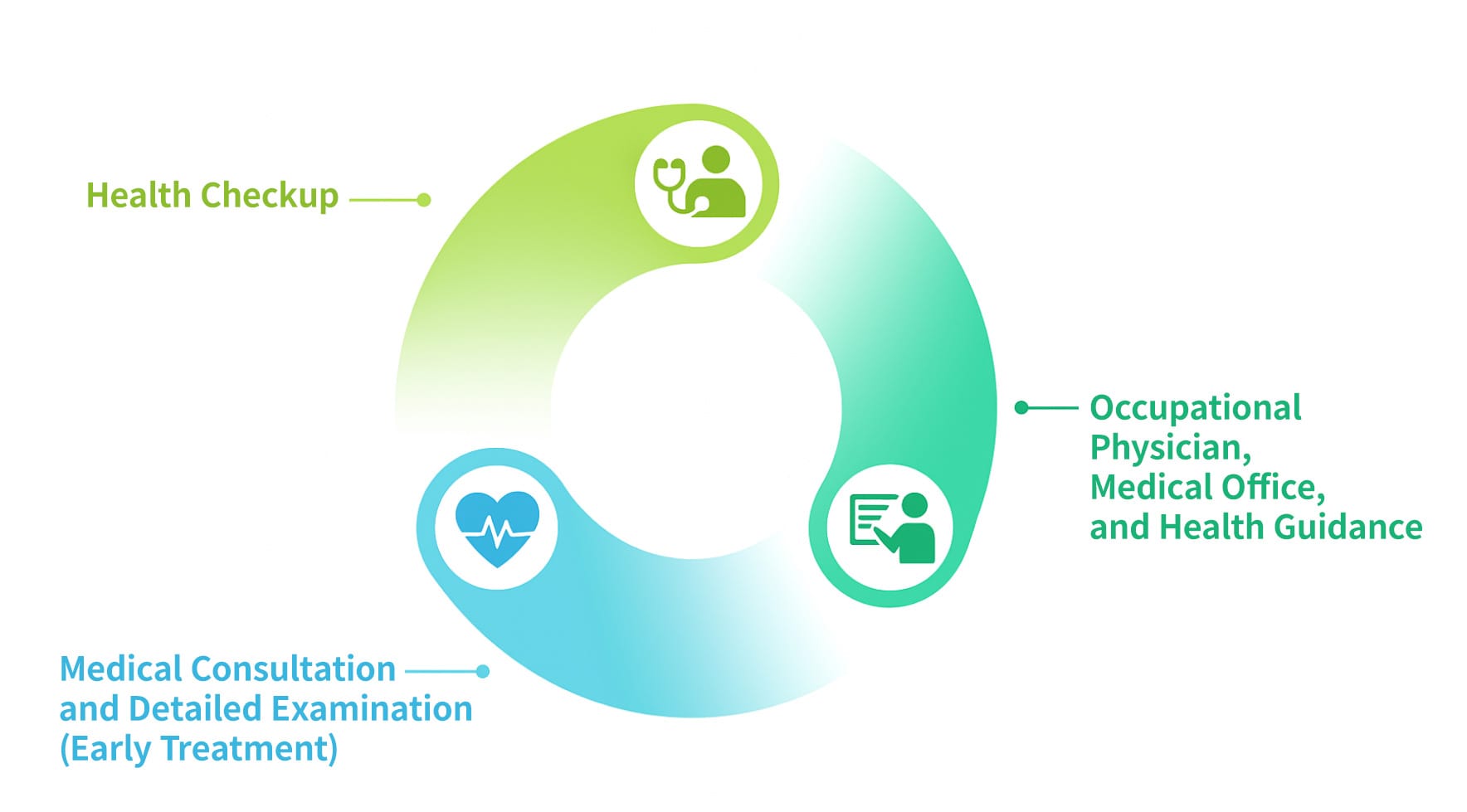
employees are monitored and receive health guidance from industrial physicians and the Medical Office.
For employees who require detailed medical examinations for conditions involving potentially
life-threatening risks, it is essential to strongly encourage them to undergo examinations and to
provide support aimed at preventing sudden absences from work. The Company provides substantial support
for health checkups and recommends medical consultations and health guidance from industrial physicians
and the Medical Office based on the checkup results. We are implementing a continuous improvement cycle
with the aim of achieving a 100% attendance rate for detailed medical examinations.
These efforts are
focused on reducing the number of repeat cases of “requiring detailed medical examination” and employees
taking medical leave, and preventing labor loss due to presenteeism or absenteeism*. By creating an
environment in which employees can work in good health and with high engagement, we create a workplace
that enables each individual to maximize their performance.
* Presenteeism is the phenomenon of employees who are present at work but do not improve their performance because of poor mental or physical health. Absenteeism is the phenomenon of employees unable to work due to poor mental or physical health, which includes arriving late, leaving early, being absent because they find work difficult, or taking leave.
Strategy Map 2026 (Japanese only)
Health Investment Management Accounting Materials (Japanese only)
Key Health and Productivity Management Initiatives
Regular Health Checkups, Comprehensive Medical Examinations, Computer-Related Health Checkups, and Gynecological Checkups
In addition to the legally mandated regular health checkups, employees aged 35 and above (as of the fiscal year-end) are eligible for comprehensive medical examinations. To prevent potential issues, we also provide generous subsidies for computer-related health checkups (for details, see “Computer-Related Health Checkups”) for employees who use computers and other devices for long hours, as well as for gynecological checkups.
Trends in health checkup results
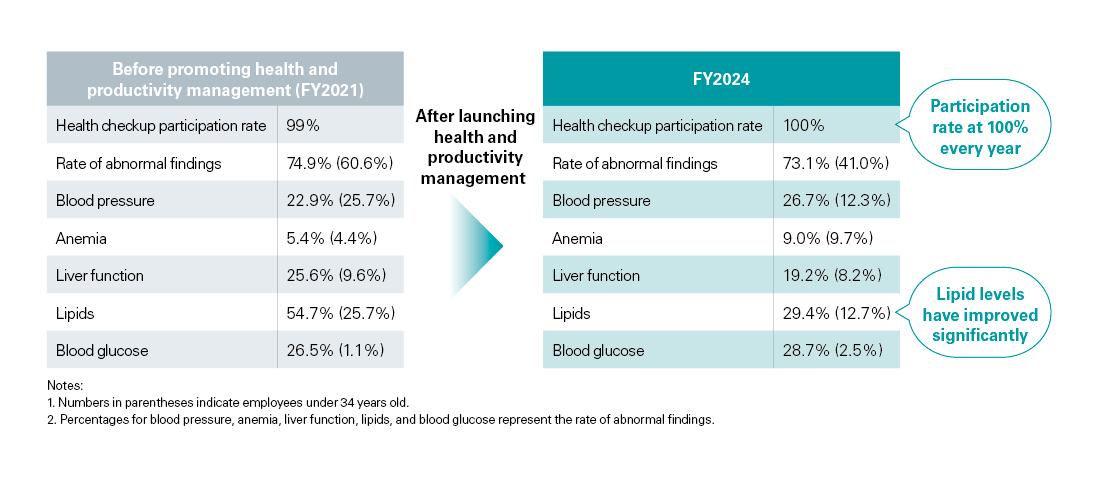
Our health checkup results show that blood pressure and blood glucose levels among some employees are higher than the national average and that they may be at risk of sudden medical leave due to lifestyle-related diseases. Through the promotion of health and productivity management, these trends are showing improvement. Moving forward, we will continue to implement measures to prevent disease among all employees, including: (1) encouraging timely treatment through follow-up medical examinations, and (2) supporting and promoting healthy lifestyle habits for all employees, such as smoking cessation, improved diet, and regular exercise.
Health Checkup Results Management System
We have a management system that allows employees to review their health checkup results over time through a portal site.
Walking Events
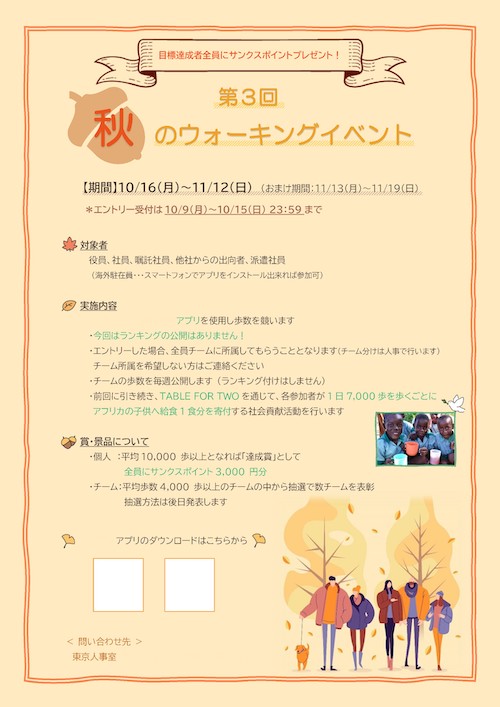
We continue to support employees’ regular physical activity by organizing walking events every spring and autumn, with around 200 employees participating each time.
Since 2023, in addition to these events, we have implemented a social contribution program under which the equivalent cost of one school meal is donated to developing countries for every 7,000 steps completed by an employee participating in the walking events. As a result of strong participation in this program from many employees, we were able to donate the equivalent of 9,514 meals (combined total for spring and autumn events in 2024) through the TABLE FOR TWO (TFT) Program, a social contribution initiative run by the certified NPO TABLE FOR TWO International. This program is aligned with the principles of the TFT Program, as it promotes employee health while also contributing to society.
| Event Number | 1st | 2nd | 3rd | 4th | 5th | 6th |
|---|---|---|---|---|---|---|
| Number of Participants | 157 | 215 | 188 | 206 | 169 | 260 |
| Average Steps per Participant per Day | 6,860 | 8,766 | 8,962 | 8,374 | 10,598 | 10,555 |
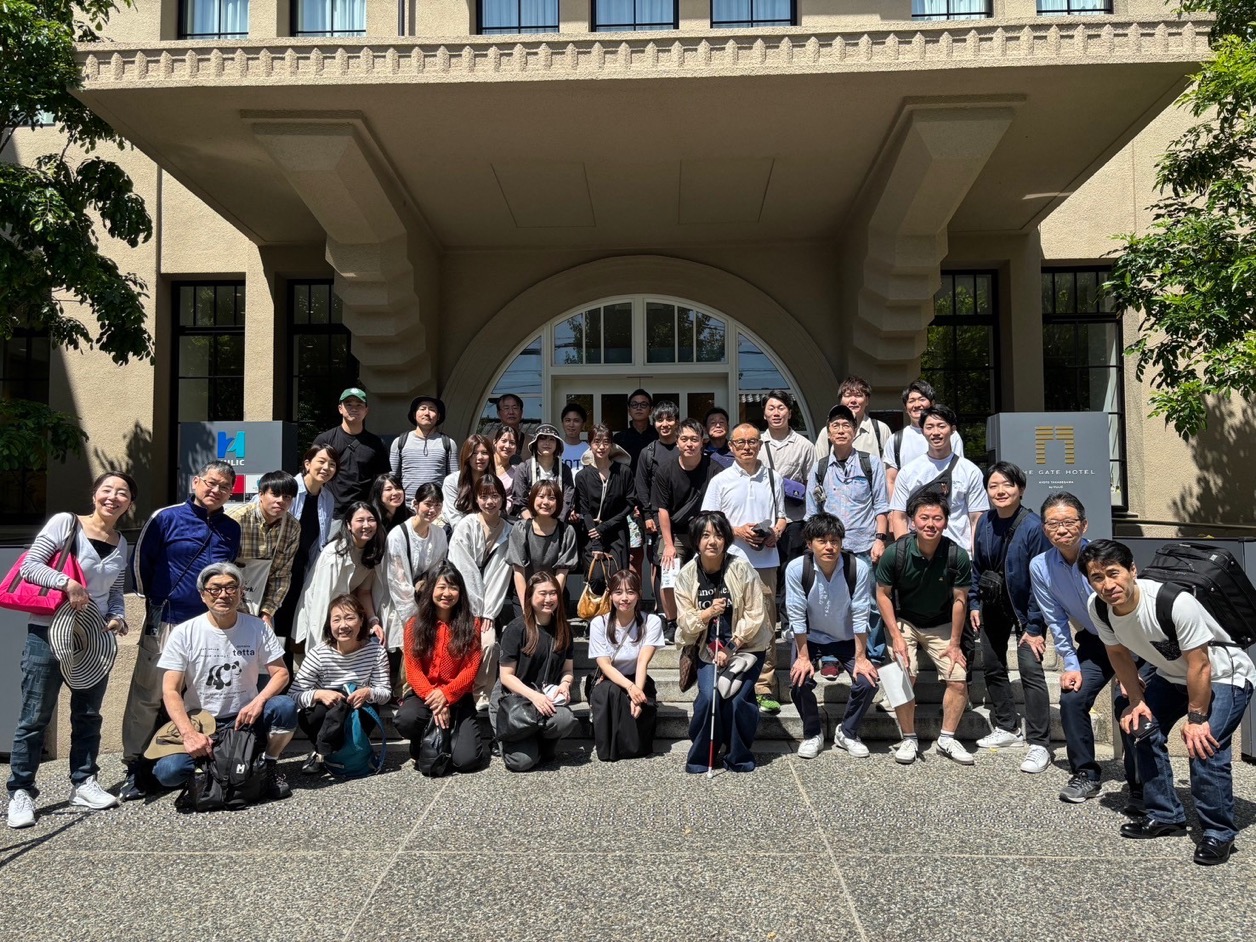
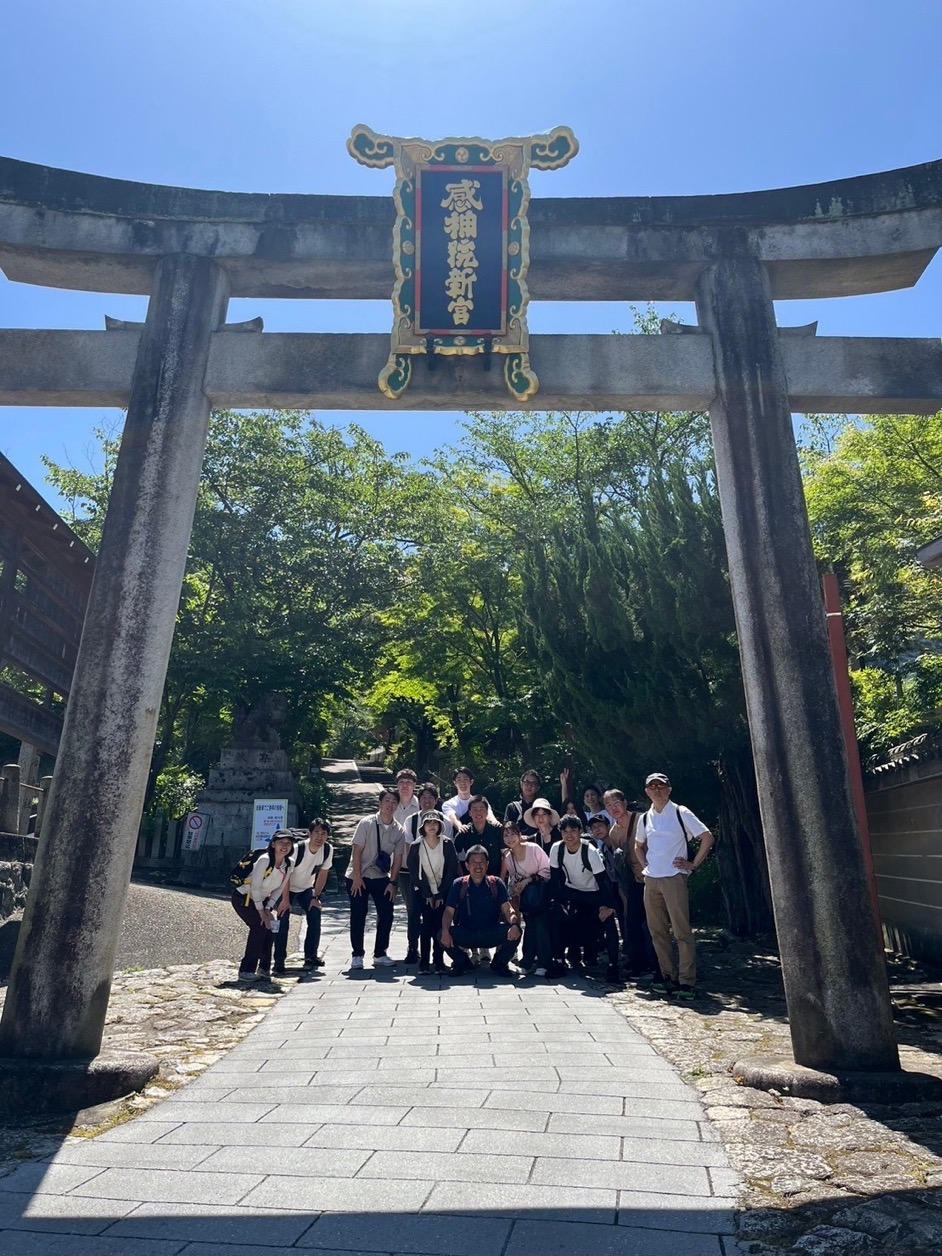
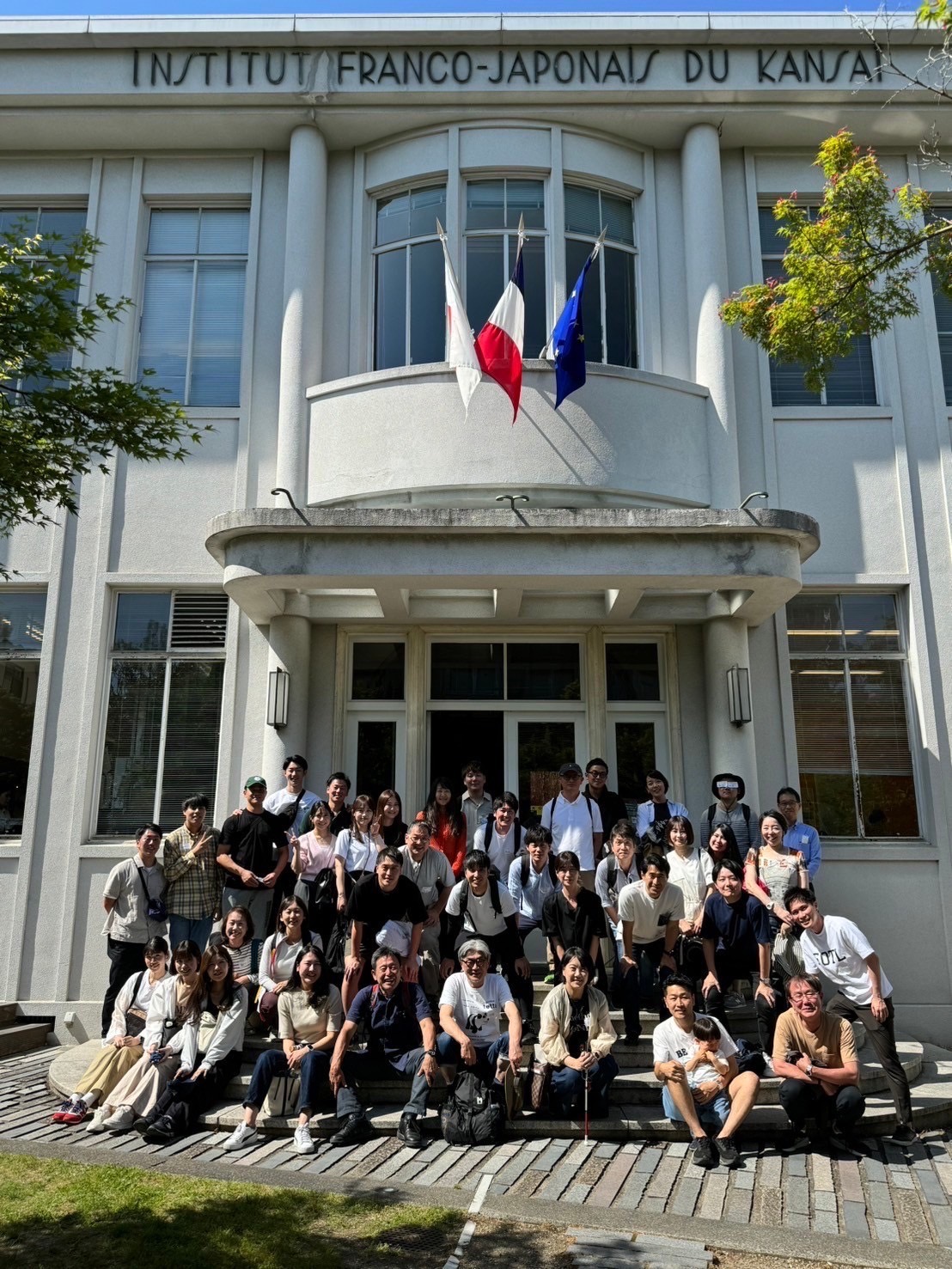
In May 2024, we held a special walking event exploring places associated with Inabata’s founder. Participants enjoyed interacting with colleagues from various departments and generations while walking through notable sites in Kyoto linked to our founder.

- TABLE FOR TWO International
- Local Community /Social contribution activities:Social Contribution Activities: Providing Supplies and Donations
Health Check Events
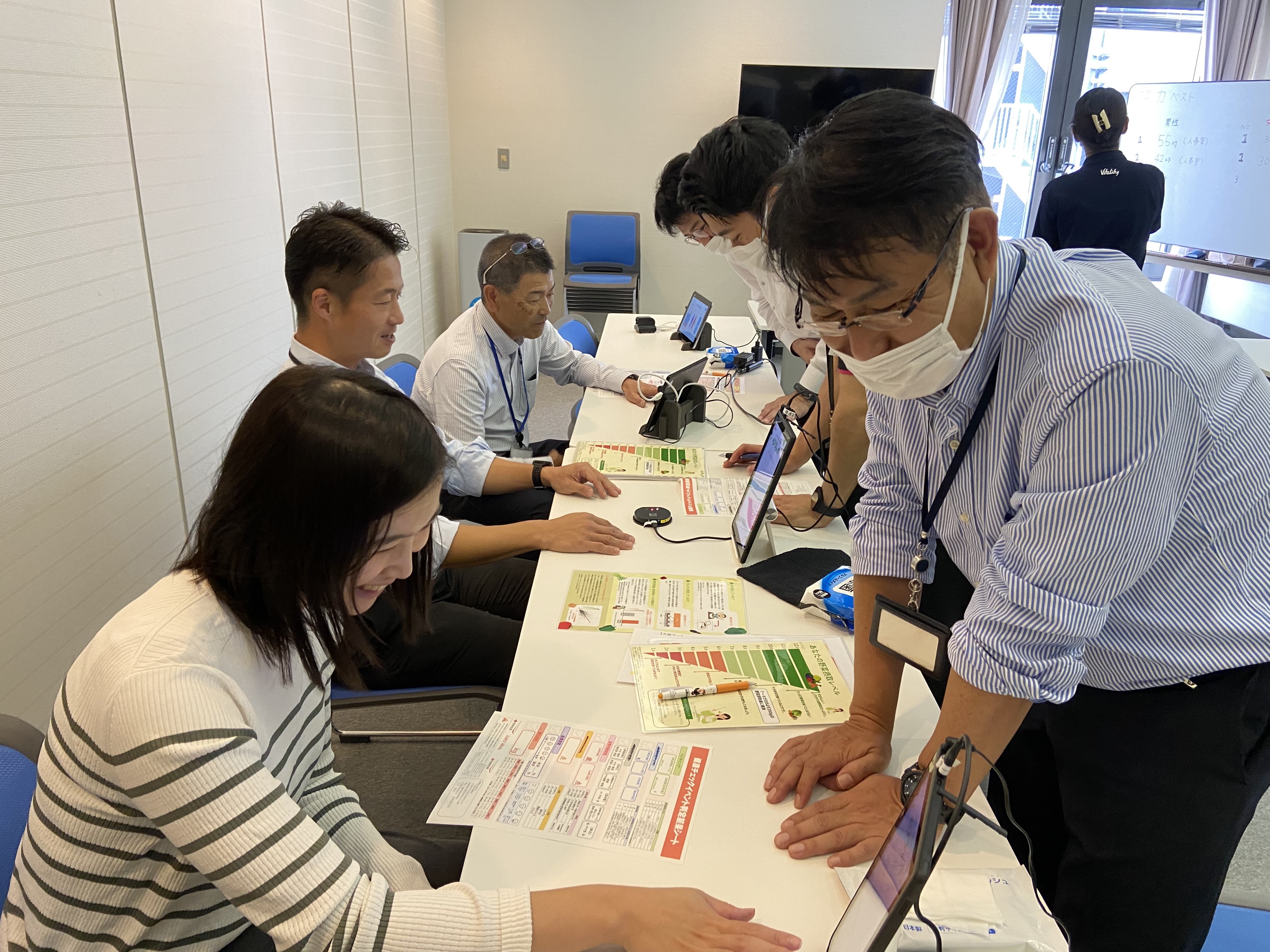
We hold health check events to promote exercise habits and monitor the health status of employees. We offer a VegiCheck® to measure vegetable intake, and conduct physical fitness tests such as the one-leg standing test to assess the risk of locomotive syndrome. We also invite our business partners to participate in these events.
Gym Membership Subsidies
Employees who have been members of a gym for more than three consecutive months receive financial support from both the Company and Inabata Health Insurance Association. Approximately 150 employees* currently use this program, supporting employees’ health.
*As of September 2025
OFFICE DE YASAI / Healthy Meals
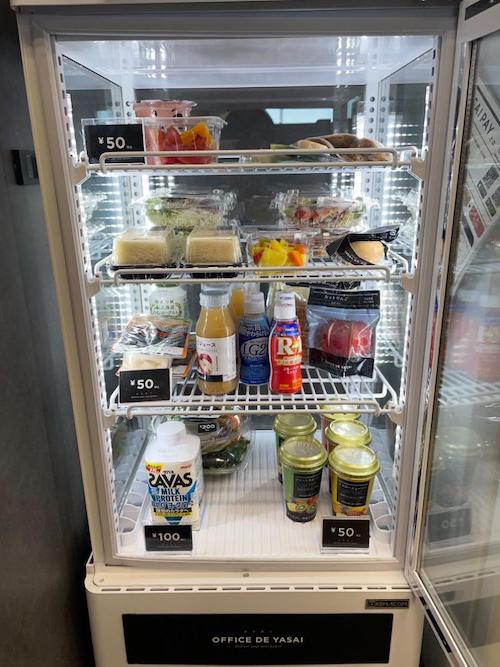
We have introduced OFFICE DE YASAI, a service that allows employees to enjoy healthy meals at any time in the office. Employees can easily purchase items such as salads, cut fruit, smoothies, and prepared side dishes from refrigerators installed within the office. These offerings are supervised by registered dietitians. The service is also used by employees who skip breakfast or need a light meal during overtime work. It helps support healthy dietary habits and improved productivity.
Starting in FY2024, we provide an increased supply of salads during the health checkup season and hold a Vegetable Intake Promotion Month to encourage greater vegetable consumption.
On-Site Massage Rooms
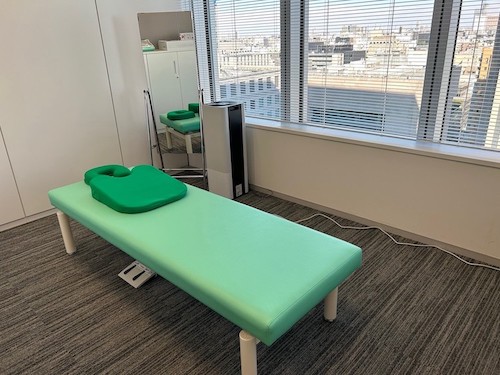
To support employee health and productivity, aid fatigue recovery, and prevent illness, we have established massage facilities at both our Tokyo and Osaka Head Offices. In-house health specialists, including licensed anma, massage, and shiatsu practitioners (nationally certified in Japan), provide massages and health advice, contributing to improved work efficiency and overall well-being.
We also employ visually-impaired individuals as healthcare practitioners (health keepers), thereby promoting employment opportunities and active participation for people with disabilities.
In 2025, we opened a second massage facility at the Osaka Head Office.
Health and Productivity Management Data
Key performance data on health and productivity management since FY2022 are as follows.
| Item | Details | FY2022 Results | FY2023 Results | FY2024 Results |
|---|---|---|---|---|
| Regular health checkup participation rate | Participation rate in legally mandated health checkups | 100.0% | 100.0% | 100.0% |
| Follow-up examination participation rate after health checkups | Participation rate of employees who underwent follow-up medical examinations among those recommended to do so after health checkups | 77.9% | 86.6% | 85.3% |
| Smoking rate | Proportion of employees who smoke regularly | 20.8% | 19.3% | 20.7% |
| Exercise habit participation rate | Proportion of employees who exercise at least 30 minutes per session, twice a week | 35.4% | 29.2% | 35.7% |
| Appropriate weight maintenance rate | Proportion of employees with a BMI of 18.5 or higher and less than 25 | 63.9% | 64.8% | 64.3% |
| High blood pressure risk rate | Proportion of employees with a systolic blood pressure of 180 mmHg or higher, or a diastolic blood pressure of 110 mmHg or higher | 0.2% | 0.0% | 0.1% |
| High blood glucose risk rate | Proportion of employees with a fasting blood glucose level of 200 mg/dL or higher | 0.5% | 0.3% | 0.7% |
| Poor diabetes control rate | Proportion of employees with an HbA1c level of 8.0% or higher | 1.3% | 0.8% | 1.1% |
| Gynecological checkup (breast cancer) participation rate | Proportion of female employees who underwent gynecological checkups (breast cancer) | 69.3% | 80.0% | 73.9% |
| Gynecological checkup (cervical cancer) participation rate | Proportion of female employees who underwent gynecological checkups (cervical cancer) | 78.0% | 72.5% | 65.7% |
| Specific Health Guidance participation rate | Proportion of employees who received Specific Health Guidance aimed at preventing lifestyle-related diseases | 3.2% | 58.8% | 67.2% |
| Absenteeism | Average number of sick leave days taken per employee over the past year | 2.8 days | 3.5 days | 3.1 days |
| Presenteeism | Degree of on-the-job productivity loss due to health problems, calculated using the SPQ* | 23.0% | 22.3% | 22.8% |
| Work engagement | Average score for vitality, dedication, and immersion (maximum score of 4) | 2.45 | 2.44 | 2.57 |
| Health literacy | Proportion of employees who are considering improving lifestyle habits such as exercise and diet | 82.8% | 83.5% | 83.0% |
| Stress check participation rate | Proportion of employees who participated in stress checks | 87.5% | 89.2% | 90.9% |
| High stress employee rate | Proportion of employees identified as high stress in stress checks | 7.5% | 7.3% | 6.9% |
| Overall health risk | An index calculated from the stress check that provides a comprehensive assessment of how workplace conditions affect employees’ health. The national average is set at 100, with lower scores indicating lower risk. | 79 | 79 | 76 |
| Satisfaction with Initiatives (Proportion of employees who responded “satisfied”) |
Walking events | - | 59.6% | 61.3% |
| Subsidies for gym memberships | - | 51.2% | 46.1% | |
| OFFICE DE YASAI / Healthy Meals | - | 45.0% | 45.4% | |
| Massage rooms | - | 73.6% | 71.9% |
- Target: Inabata & Co., Ltd.
- *The Single-Item Presenteeism Question (SPQ) is a scale developed by The University of Tokyo Working Group under the Fiscal 2015 Project to Promote the Creation of Industries to Extend Healthy Life Expectancy. It enables the simple assessment of presenteeism using a single-item question.
Question:
On a scale from 1% to 100%, where 100% represents the level of job performance you could achieve if unimpeded by sickness or injury, how would you rate your overall job performance on the days you worked during the past four weeks (28 days)?
Answer: ___% (1–100%)
Calculation: Presenteeism = 100% – answer - *The aggregation year, scope, and methodology were reviewed, and the data were recalculated in the FY2023 report.
Effects of Health and Productivity Management
Thanks to health guidance provided by in-house industrial physicians and medical professionals, the proportion of employees with findings in health checkups improved by 7.6 percentage points compared with the previous fiscal year. By category, improvements were observed in liver function, lipid levels, and blood glucose levels, with a particularly significant improvement of 20.3 percentage points in lipid levels.
While the participation rate in follow-up medical examinations remained largely unchanged, the proportion of employees classified as “requiring follow-up medical examination” improved by 0.2 percentage points to 4.6% of all employees compared with the previous year.
In addition, departments that actively participate in health and productivity management initiatives tend to show lower overall health risk scores in stress checks, indicating a correlation between these initiatives and employee health data.
To increase the number of employees who are mentally and physically healthy, enjoy a high level of well-being, and can work energetically, we will continue to focus on promoting health and productivity management.
2026 Health & Productivity Management Outstanding Organization (White 500)
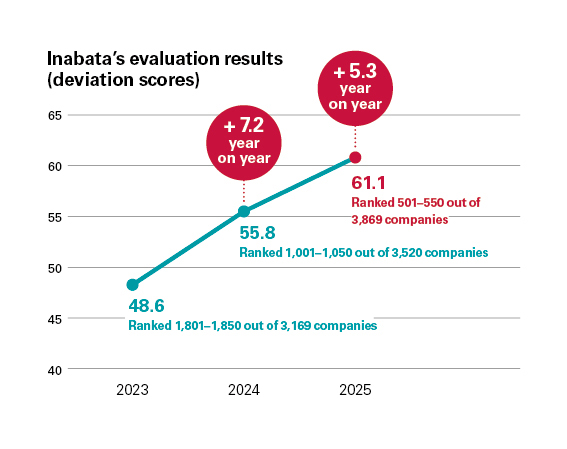
On March 9, 2026, the Company was certified as a 2026 Health & Productivity Management Outstanding Organization (White 500) under a program jointly implemented by the Ministry of Economy, Trade and Industry and the Nippon Kenko Kaigi.
The Company’s evaluation has improved steadily year by year, marking its first-ever certification as a “White 500” and its fourth consecutive selection as a Health & Productivity Management Outstanding Organization.
Mental Health
We recognize that employees’ mental health is an important factor in the happiness and well-being of employees and their families, the creation of a vibrant workplace, and improved productivity. Based on our mental health development plan, we address mental health issues while also promoting health in a broader sense, including efforts to enhance communication in the workplace. All employees undergo stress checks every year. The primary purpose is to assess employees’ stress levels, raise awareness of individual stress, and help prevent mental health issues. When employees are found to have high levels of stress, we urge them to consult an industrial physician, while also carrying out organizational assessments and feeding the results back to workplaces to improve the work environment.
To ensure that employees feel comfortable seeking advice whenever necessary, industrial physicians and nurses provide personalized support through consultations at in-house medical offices.
In addition, we provide a range of mental health training programs for all employees and for managers and supervisors.
Computer-Related Health Checkups
Since many employees use computers or other IT equipment during working hours, we conduct computer-related health checkups for Japan-based employees and fixed-term contract employees to help prevent health issues such as visual impairment and repetitive strain injuries (RSI).
Once employees have submitted their medical questionnaires, the industrial physician determines which employees require further examination. After examining those employees for physical and mental fatigue based on interviews, visual inspection and palpation, as well as visual performance and musculoskeletal system tests, the physician provides health management and guidance. Individuals seconded from other companies, temporary agency workers, and employees who have not been contacted by the industrial physician may also undergo the examinations upon request.
Infectious Disease Control and Expatriate Health and Safety
As a corporation with many overseas offices, the Inabata Group recognizes the importance of responding to global health issues including tuberculosis, malaria, and HIV/AIDS. Since there are many common infectious diseases overseas, we advise employees to take appropriate precautions in their daily lives while overseas and to receive vaccinations before departure from Japan. Employees posted overseas by the Company and their accompanying family members receive medical checkups and the required vaccinations prior to assignment. As well as recommending appropriate vaccinations, we also advise employees to check the latest information about their destinations released by the Ministry of Foreign Affairs, the Quarantine Station within the Ministry of Health, Labour and Welfare, the National Institute of Infectious Diseases, and other relevant authorities, and to receive the necessary vaccinations. All vaccination costs are covered by the Company. Employees posted overseas and their accompanying family members must undergo medical checkups once a year. The results of medical checkups for employees posted overseas are required to be submitted to an industrial physician for health management purposes.
For employees scheduled to be posted overseas, we provide pre-departure training on safety measures, health management, and medical care.
We also provide training on safety information and infectious disease measures for employees taking overseas business trips.
Health and Safety Training
We provide various health and safety initiatives, including stress checks and e-learning-based driver safety training.
Occupational Accident Statistics
For the consolidated Inabata Group, we report occupational accidents among employees and temporary staff (number of occupational accidents [fatal, lost-time, and non-lost-time injuries], lost-time injury frequency rate, and lost-time injury severity rate).